
The Importance of Cutting Dementia Risk for Seniors in Singapore
By Impact Radar Editorial
Singapore is ageing faster than almost any other country on earth. By 2030, roughly one in four residents will be aged 65 or older, and the number of people living with dementia is projected to more than double from its current level.
Why prevention, not just treatment
For decades the dementia conversation has focused on diagnosis and care. Both matter. But the most consequential shift in the research over the past ten years is a simple one: a large share of dementia cases can be delayed or avoided. The Lancet Commission has identified 14 modifiable risk factors that together may account for up to 45% of dementia risk worldwide.
What the FINGER trial proved
In 2015 the Finnish FINGER trial became the first randomised controlled study to show that a multi-domain lifestyle intervention can meaningfully slow cognitive decline in at-risk older adults. Subsequent trials across Europe, the US, and Asia have reinforced the finding.
Why SINGER matters for Singapore
FINGER worked in Finland. SINGER — Singapore's adaptation — answers the question of whether the same approach works in a country with a different climate, diet, family structure, and language landscape. Tai chi replaces Nordic walking. Nutrition guidance adapts to hawker fare. Cognitive materials are bilingual.
Where Impact Radar comes in
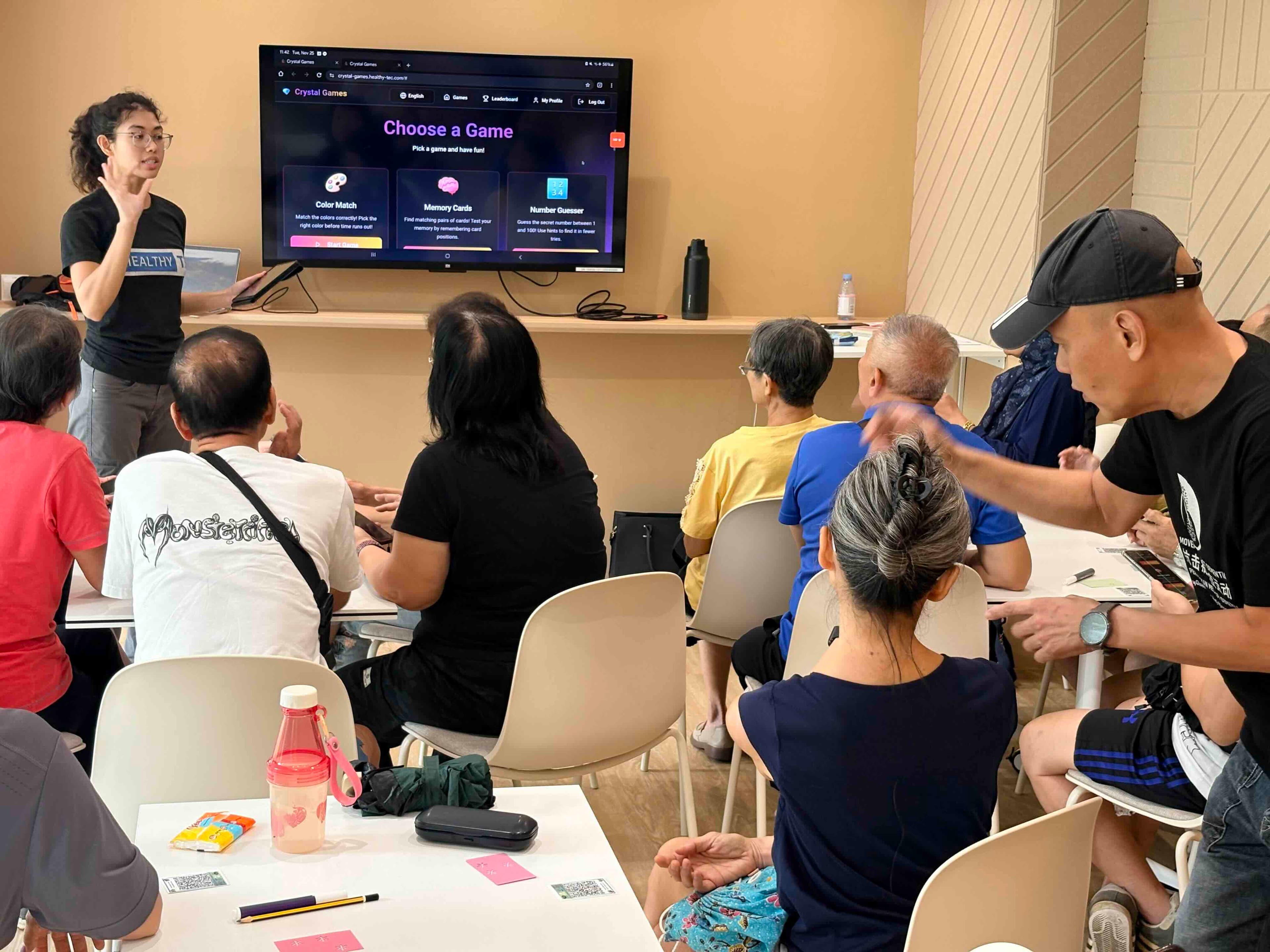
Our four Dementia Prevention Programmes bring SINGER-protocol activities to specific Singapore neighbourhoods through registered IPC partners. Donations qualify for the 250% Singapore tax deduction. Giving is one way to help; so is volunteering or showing up at a session with a parent or neighbour.
Prevention is a long game. It is also an achievable one. [DRAFT]
Share this article